Choosing to Live in the Light: Simone's HER2+ Breast Cancer Treatment Journey
Simone successfully completed treatment for HER2-positive breast cancer with the support of a multidisciplinary care team and family. She now uses her experience to advocate for early detection and to support others facing cancer.
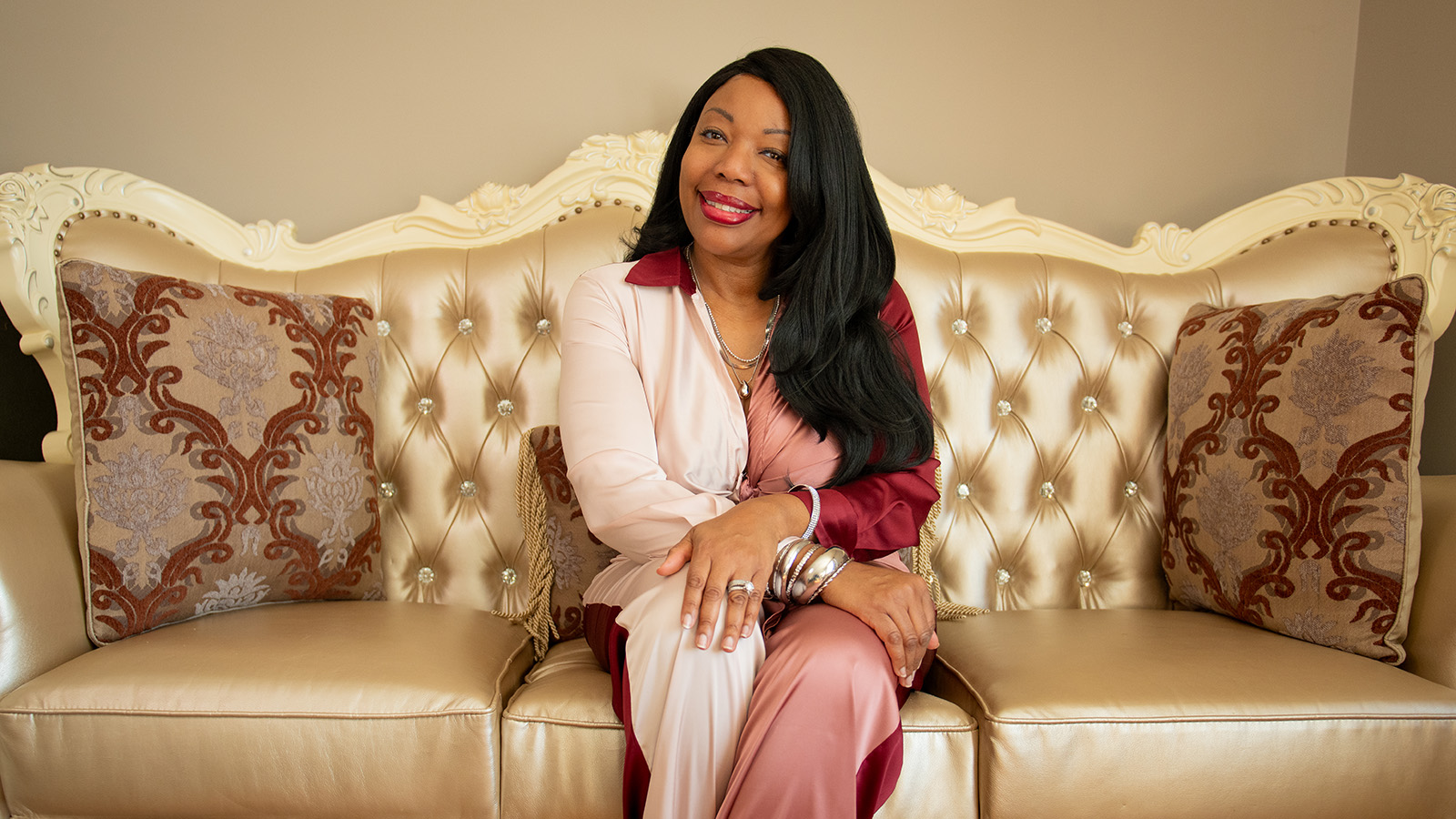
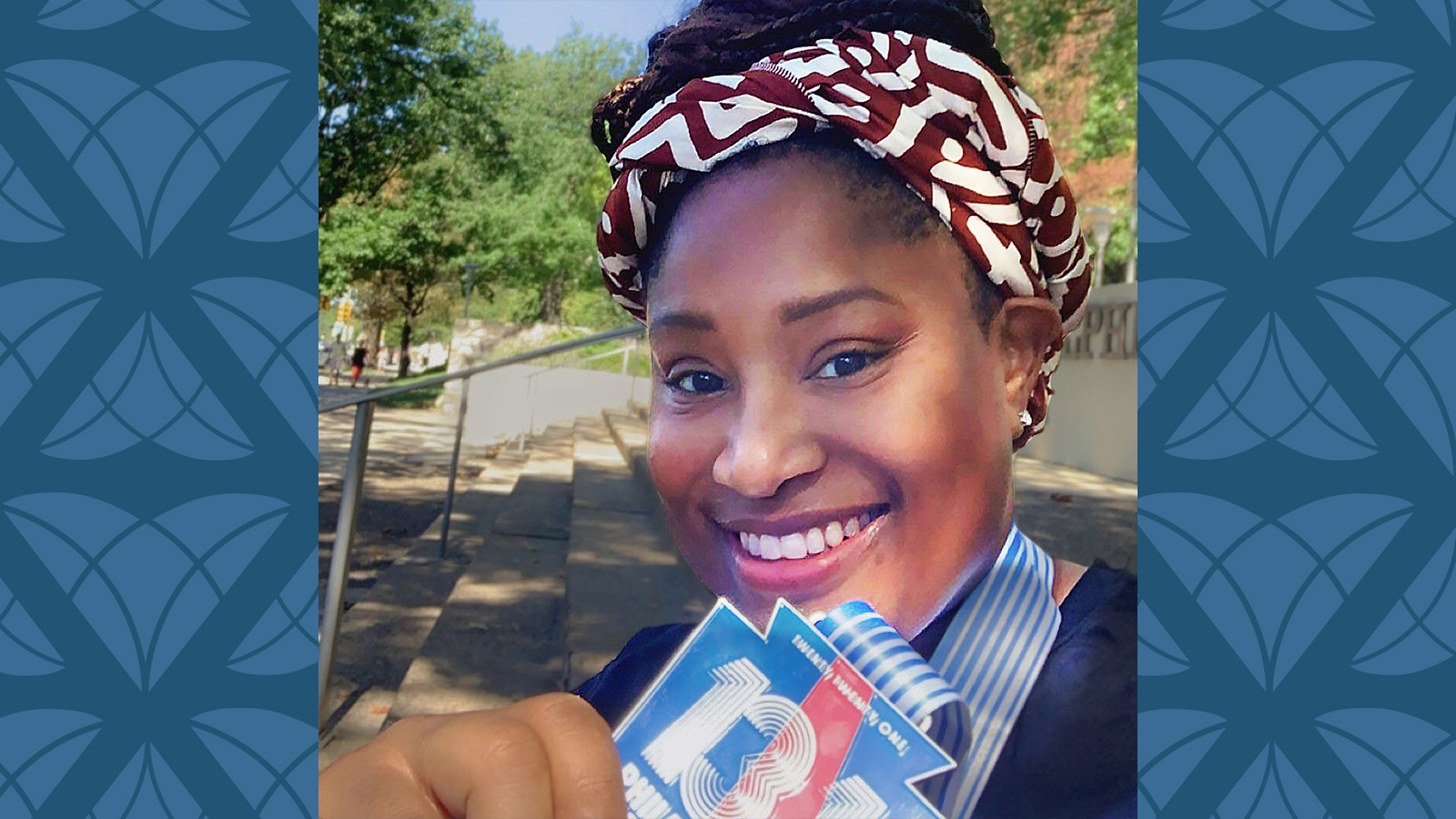
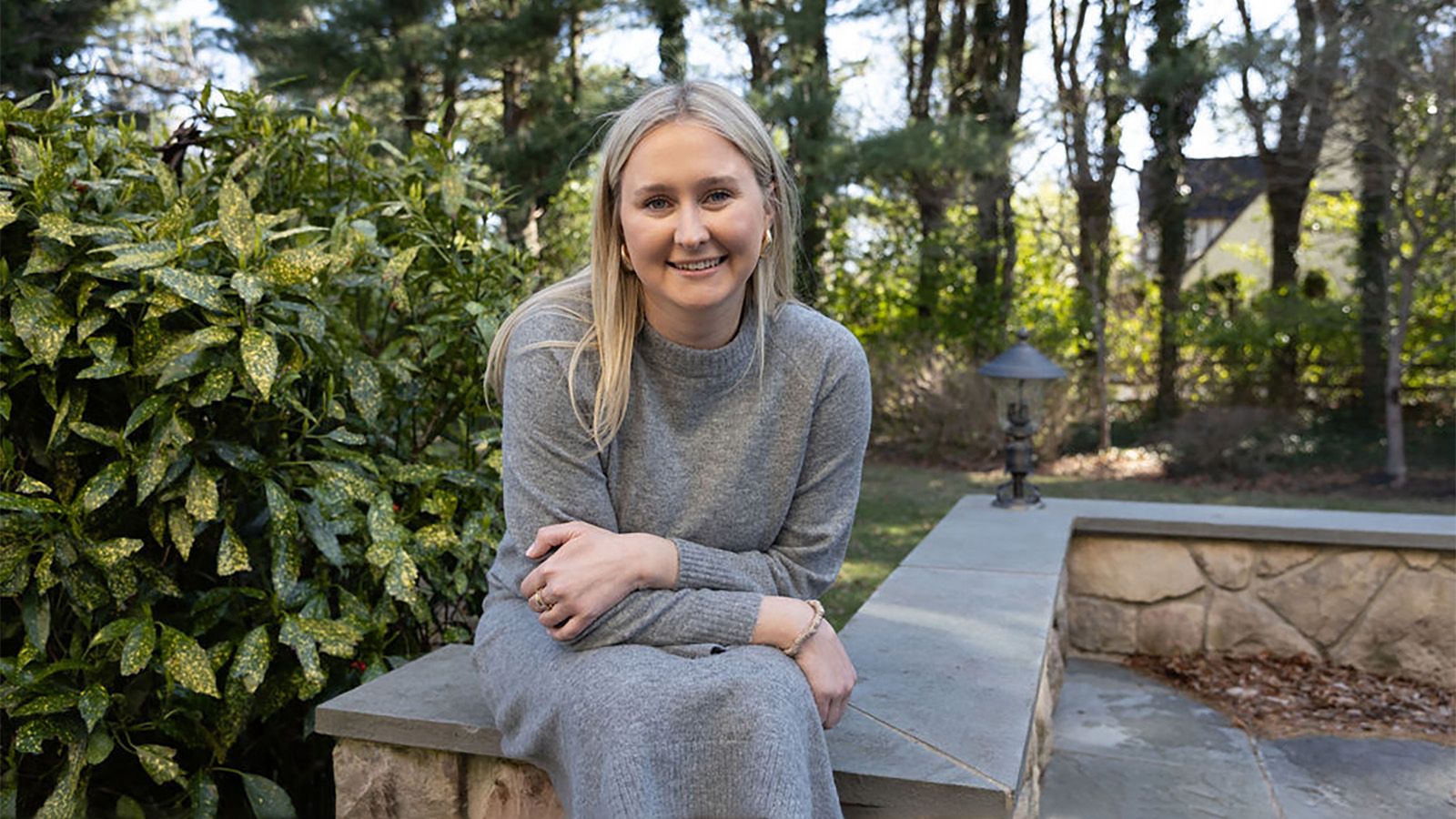
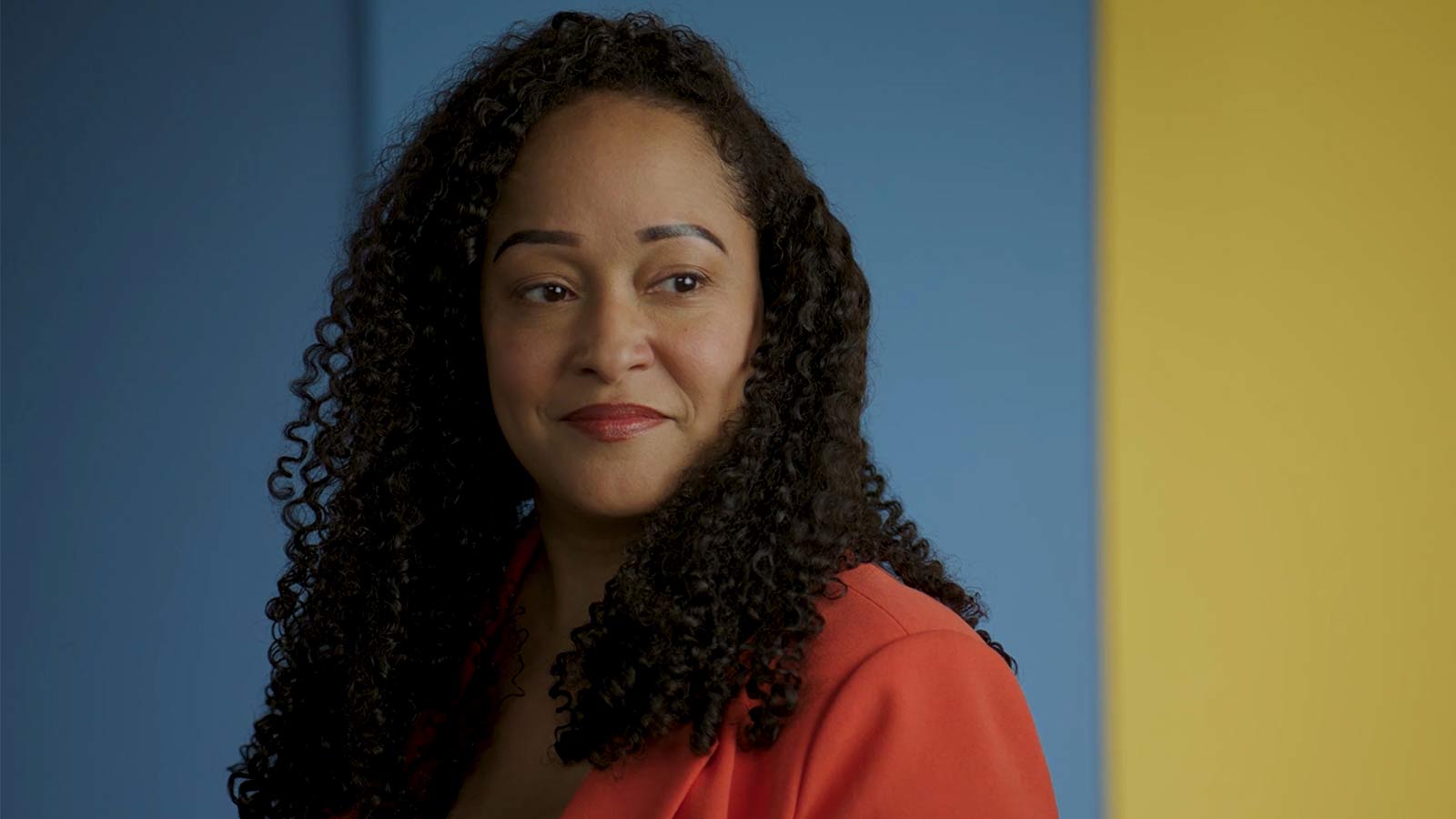
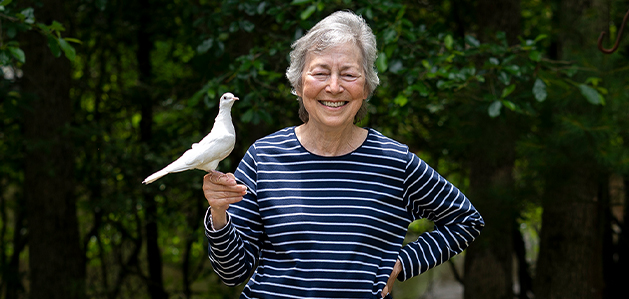
Simone Herbin-Canty is a mother of six. With only her 8-year-old daughter still at home, she knew it was finally time to put herself first.
In February 2024, she booked all the appointments she had been putting off—her gynecologic exam, annual physical, labs, and finally the one that weighed heaviest on her: a mammogram.
She couldn’t explain it, but she felt something was different. “There was a strange heaviness in my left breast,” she said. “Deep down, I just sensed that I was going to be diagnosed with breast cancer.”
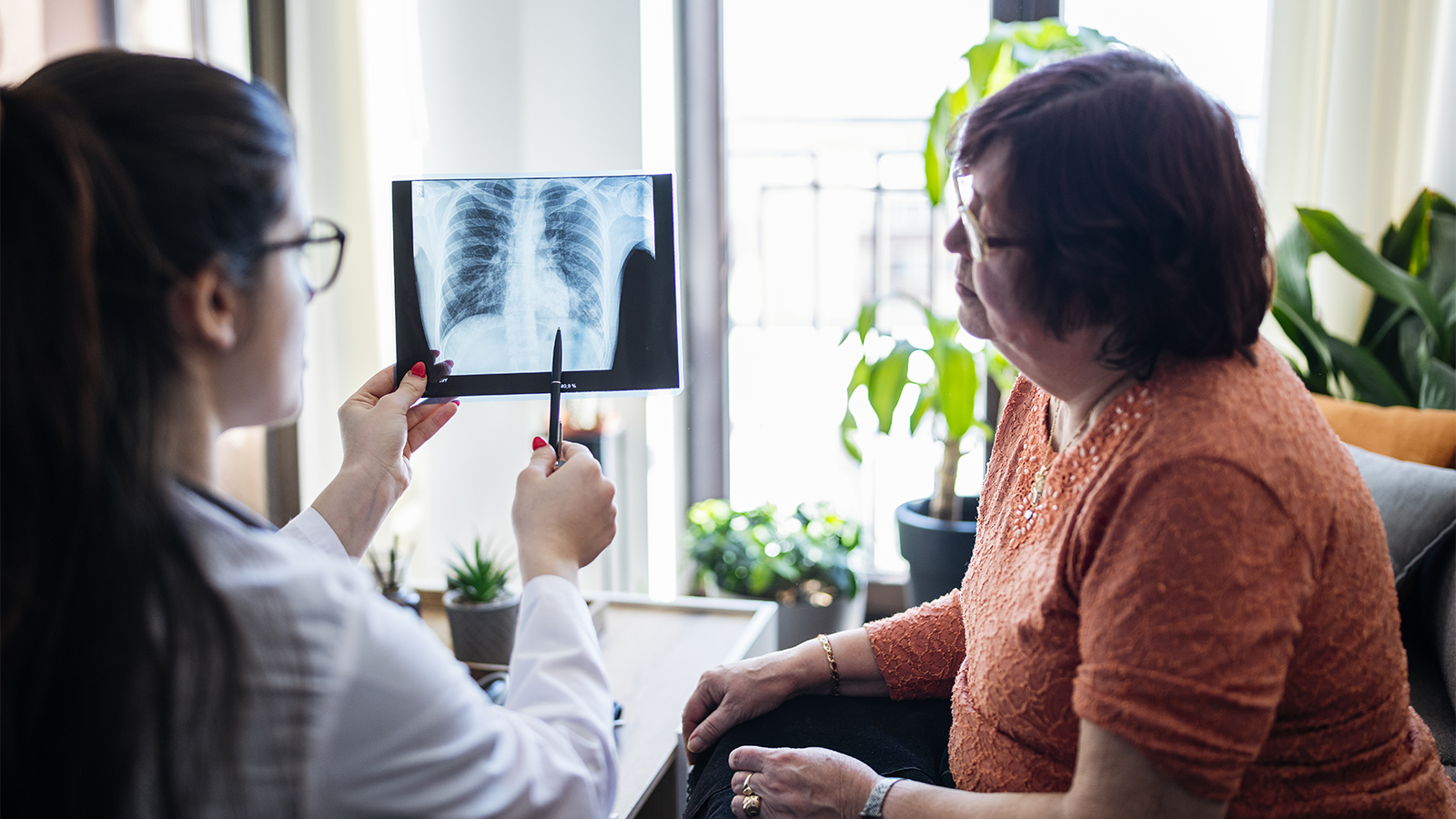
That quiet intuition became reality when her mammogram and ultrasound revealed a large abnormal area in her left breast and swollen lymph nodes under her arm.
The next step was a biopsy—a procedure where a small tissue sample is taken to see if cancer cells are present. The results confirmed what she had sensed all along: she had breast cancer.
Finding Strength After a Breast Cancer Diagnosis
“News like that can feel like a death sentence,” Simone said. “But I'm a survivor and a thriver. I knew I had the strength—within myself, my family, and my faith—to face this test.”
After receiving her diagnosis, Simone was referred to breast surgical oncologist Nicole Melchior, DO, FACS, at the Penn Medicine | Virtua Health Cancer Program.
“Simone was diagnosed with HER2-positive breast cancer,” Dr. Melchior explained. “This means the cancer cells have a protein called HER2 that helps them grow quickly. While it can be more aggressive, it's also highly treatable because we have therapies that specifically target those proteins.”
The plan involved a multidisciplinary approach that began with chemotherapy and immunotherapy to shrink the tumor before surgery, under the care of medical oncologist Rachel Levenbach, MD, of Regional Cancer Care Associates.
In March 2024, Simone had a port implanted in her chest. This device, placed under the skin, enables the medical team to give infusions and draw blood without repeated needle sticks.
On her first treatment day, fear nearly took over. “My family had to drag me to the appointment,” she remembered.
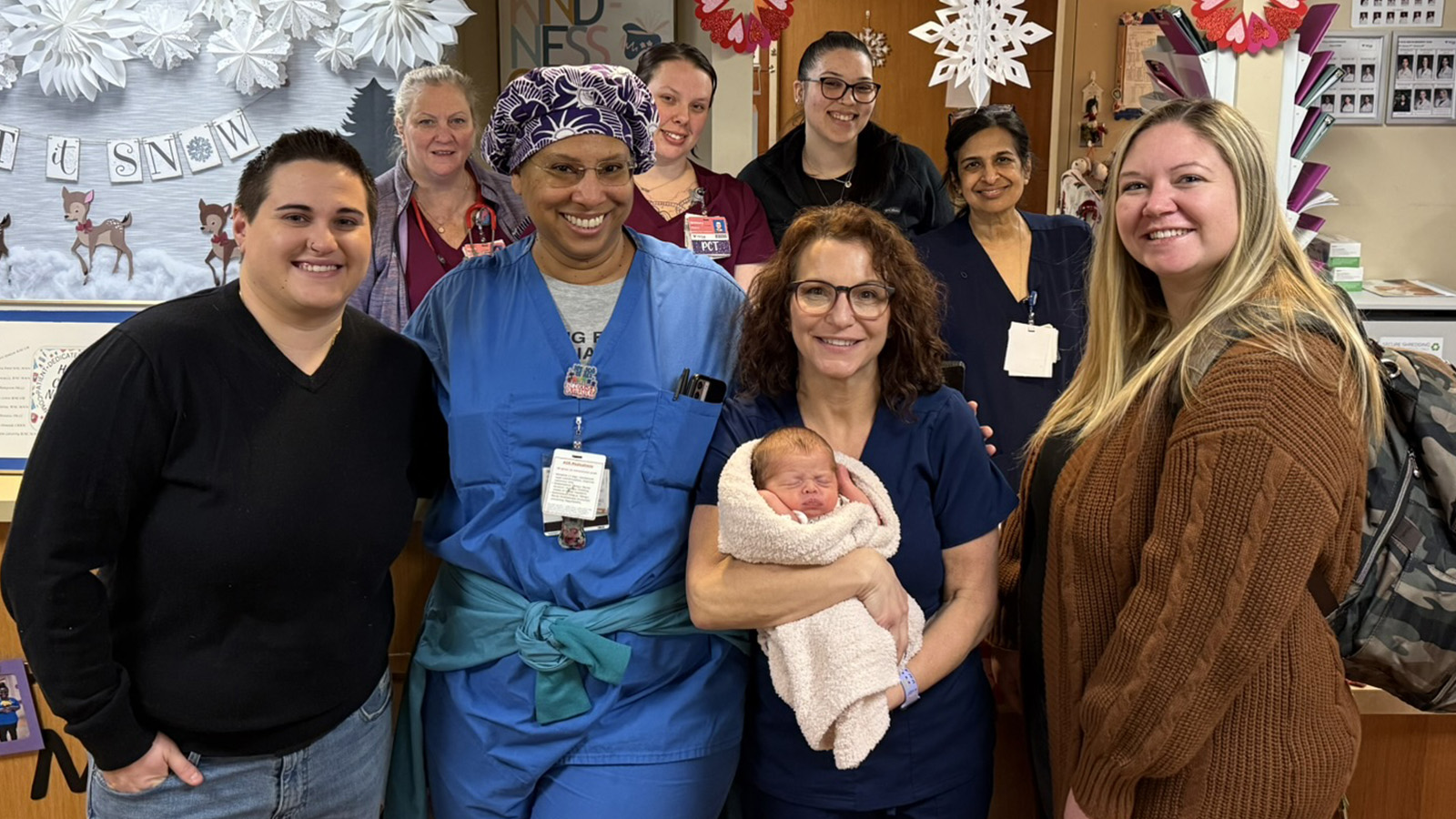
But then she met Sandy, the nurse who held her hand, looked her in the eyes, and said: “You don’t know me, but you have to trust me. I’ve got you.” In that moment, Simone felt safe enough to begin.
Turning Fear Into Purpose
Simone underwent chemotherapy and immunotherapy infusions every three weeks. While she was surrounded by her husband and friends, she noticed other patients sitting alone.
“It woke something in me,” Simone said. That spark inspired her to become a certified health coach and to start Chemo Buddy, a company dedicated to ensuring no one undergoes chemotherapy alone.
She shared her journey on TikTok, filming her husband gently shaving her head as her hair fell out. “I embraced it,” Simone said. “I was either going to live in the dark or the light. And I chose the light.”
Facing Breast Reconstruction Surgery With a Trusted Team
By August 2024, Simone had completed her initial treatment, and it was time for surgery.
Simone met with Dr. Melchior and Prakash Mathew, MD, FACS, a plastic and microvascular reconstructive surgeon from the Penn Medicine | Virtua Health Cancer Program. Together, they discussed Simone’s best options for removing the cancer and reconstructing her breasts.
“We decided together that removing both breasts and several lymph nodes was Simone's best surgical option for removing the cancer and lowering the risk of recurrence,” said Dr. Melchior.
Dr. Mathew performed the reconstruction at the same time to minimize Simone’s time under anesthesia. He used a “breast-lift” approach, placing incisions in a more cosmetic “upside-down T” shape under the breast, where they are less visible. He then inserted tissue expanders—temporary implants that are gradually filled with fluid to gently stretch the skin and create an ideal pocket for a permanent implant.
It was important to Simone to involve her husband in her treatment, and she happily had him choose her implants. She also discovered that nipple tattooing later in her recovery could restore the natural appearance of her breasts with minimal discomfort.
“If there's a silver lining in a breast cancer diagnosis, it's that breast reconstruction can help restore and even rejuvenate what was taken during surgery. Our goal is to help patients look and feel like themselves again,” said Dr. Mathew. “We perform more breast reconstruction procedures than any other center in the U.S., and have researched, developed, and refined many of the techniques used throughout the world. This level of expertise ensures that our patients always have a breast reconstruction option that meets their needs.”
Healing from Breast Surgery and Becoming a Light for Others
Simone’s reconstruction went beautifully, and she was so satisfied with the results that she was willing to show her new breasts to women preparing for similar surgeries, helping them replace fear with hope.
Then came the best news possible. “Simone had a complete pathologic response to treatment,” said Dr. Melchior. “That means when we checked the tissue after surgery, there were no active cancer cells left. She is cancer-free.”
While medical and surgical treatment are a big part of that, Dr. Melchior credits Simone's positive attitude and strong family support for her recovery. “It's awesome to see how she's using her experience to help other women going through cancer treatment,” she said.
Carrying the Torch Forward
“I'm using my experience to be a force,” said Simone. “I will carry this torch as high and as bright as possible for every woman facing breast cancer—and for every woman we have lost.”
This advocacy includes encouraging women to schedule their mammograms, which is what led to Simone's breast cancer diagnosis and successful treatment.
“We encourage all women with an average breast cancer risk to schedule screening mammograms at age 40,” said Dr. Melchior. “If you have a family history or other risk factors, you would benefit from a risk assessment with a breast surgeon, since some women qualify to start breast screening at a younger age and may also qualify for additional testing beyond their mammogram.”
Schedule Your Mammogram
Mammograms are invaluable and lifesaving, as they can catch breast cancer early when it’s most easily treated. If you are due for a mammogram, schedule your appointment here.
There's So Much More to Explore